Modeling Asymmetric Volatility with EGARCH

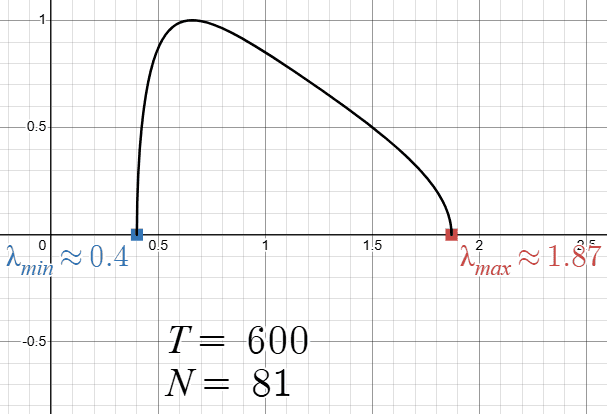
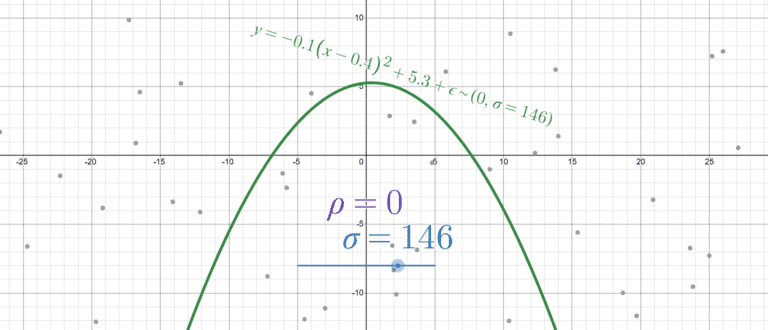
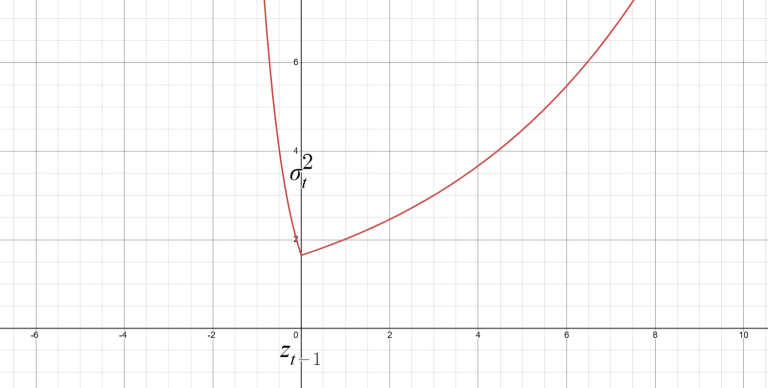
This post presents an accessible introduction to the Exponential GARCH (EGARCH) model—a widely used tool in financial econometrics for modeling time-varying volatility in asset returns. Unlike standard GARCH models, EGARCH captures both volatility clustering and the leverage effect, whereby negative shocks tend to increase future volatility more than positive shocks of equal magnitude. The post demonstrates how EGARCH achieves this using a simplified form, with an emphasis on the asymmetry function’s role in shaping variance dynamics. The dynamic visualization of EGARCH volatility asymmetry presented in this post was created by the author using Desmos.